

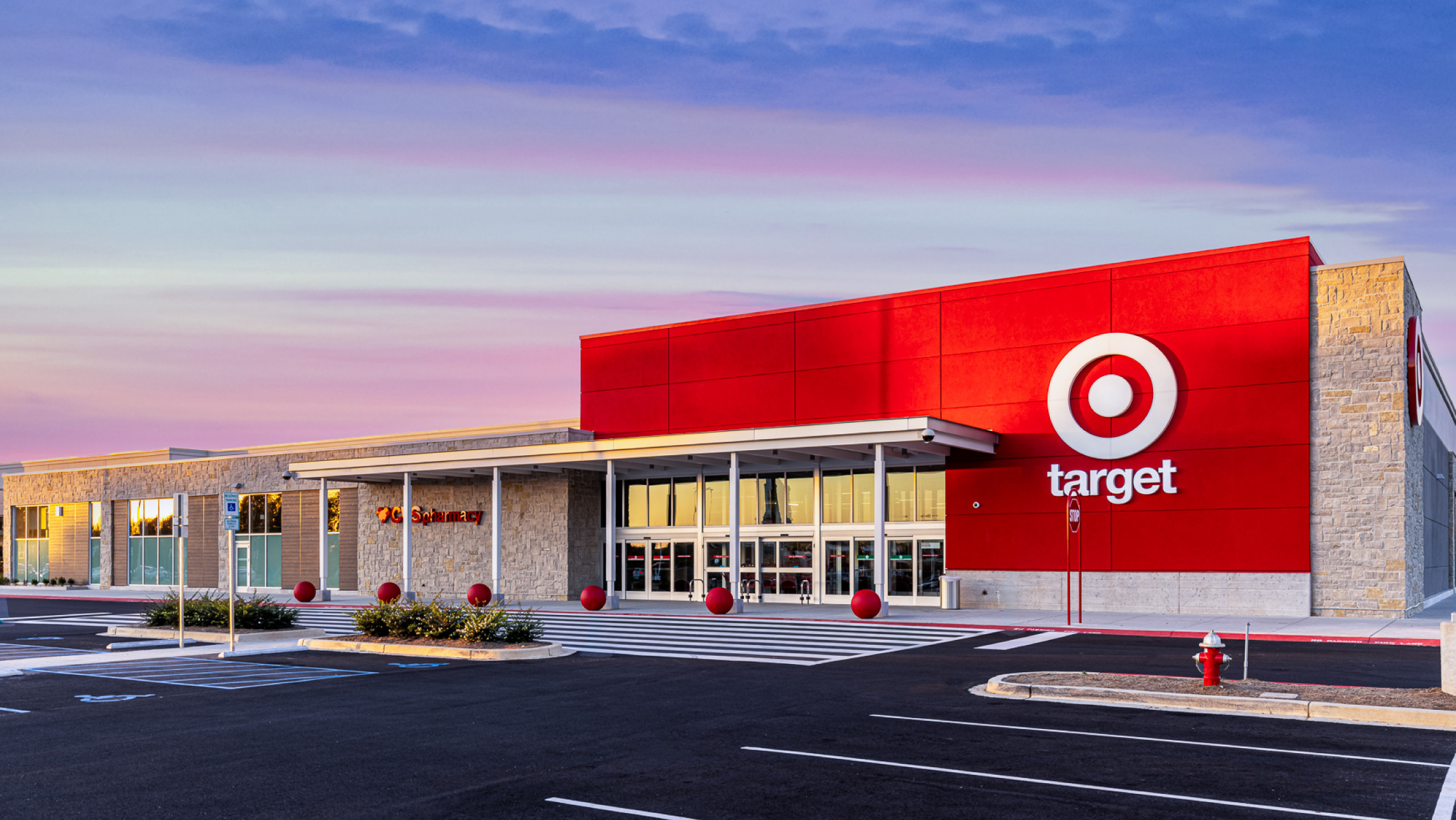
There is no doubt that Target is one of the most loved retail companies in the United States, especially among Gen Z shoppers. For many people, walking into a Target store does not feel like a stressful shopping trip or an obligation to spend money. Instead, it feels closer to visiting a familiar, enjoyable space where you can browse, discover new items, and leave with things you did not even know you needed. The experience is intentionally designed to feel welcoming, and that emotional connection is a big part of why the brand remains so popular.
Another reason for Target’s success is the constant expansion and evolution of its product selection. The company offers a wide variety of goods, from groceries and clothing to home décor, electronics, beauty products, and seasonal items. Rather than staying static, Target regularly updates and expands its inventory to reflect current trends and customer demands. This continuous refresh keeps shoppers engaged and encourages repeat visits, because there is always something new to discover.
Target also uses several long-term strategies to ensure consistent growth year after year.
One major strategy is that they go where their customers are. Target understands that not every customer will always come to a physical store. Distance, convenience, and changing shopping habits can all be barriers. To address this, the company invests heavily in opening new stores in strategic locations and improving access for more communities. Even when economic conditions slow down expansion, Target typically resumes aggressive growth when conditions improve, focusing on expanding into high-demand areas.
Another important factor is reinvestment into the business. Large retailers like Target do not simply focus on short-term profit. Instead, they often reinvest earnings back into the company to improve operations, expand supply chains, upgrade stores, and strengthen digital platforms. In many cases, prioritizing reinvestment over immediate profit growth helps increase long-term revenue. Sustained revenue growth is one of the clearest indicators of whether a company is expanding or losing momentum in a competitive market.
Target also emphasizes making customers feel valued and part of a larger community. Strong customer service plays a key role in this approach. The company is known for maintaining high hiring standards, which means they are selective in choosing employees who represent the brand well and can deliver a positive shopping experience. Rather than simply filling positions quickly, Target focuses on finding people who are a good fit for the role and for the company’s customer-focused culture. This contributes to a more consistent and reliable in-store experience.
In addition, Target maintains a growth-driven mindset. The company operates in a highly competitive retail environment, which requires constant innovation and effort to stay relevant. This mindset pushes them to keep improving operations, expand digital capabilities, and refine the customer experience in order to remain competitive in the long run.
However, despite Target’s strengths, there are clear limitations when comparing it to retail giants that operate on an even larger scale. Companies like Walmart and Amazon generate significantly higher revenue and have broader global influence. This does not mean Target is unsuccessful in fact, it is a major player in its own right but the scale difference is important when analyzing long-term market position.
There are several reasons why Target’s revenue is unlikely to surpass Walmart’s.
1. Larger physical footprint
Walmart has expanded aggressively over decades by building new stores, acquiring locations, and optimizing store placement across both urban and rural areas. Even when certain locations underperform, Walmart closes weaker stores and reinvests in more profitable regions. This constant optimization allows it to maintain massive nationwide coverage that Target cannot easily match.
2. Stronger supplier and manufacturer relationships
Walmart’s scale gives it major negotiating power with suppliers and manufacturers. These relationships determine pricing, availability, and product variety. As a result, Walmart can offer millions of items at competitive prices while maintaining an enormous product catalog across both physical and online stores.
3. A powerful customer ecosystem Walmart Plus
Walmart Plus has helped Walmart build recurring revenue while increasing customer loyalty. During the COVID 19 pandemic, this digital system became even more important as online ordering and home delivery surged. It strengthened Walmart’s ability to keep customers within its ecosystem for everyday shopping needs.
4. Advanced logistics and delivery systems
Walmart has invested heavily in building its own delivery and logistics network. While it initially relied on third party delivery services, it later developed in house systems to improve speed, reduce costs, and increase reliability. This control over logistics gives Walmart a major advantage in both physical and online retail operations.
5. Massive scale advantage overall
Walmart’s combination of store count, supplier relationships, online expansion, and logistics infrastructure creates a scale that compounds over time. Each improvement strengthens its ability to lower prices and increase convenience, making it difficult for competitors like Target to match its total revenue output.
Yes, Target has the capacity, but these big companies keep growing their revenue so fast. They are basically trend setters, and Target is just following and adapting, and that is why it would be almost impossible for Target’s revenue to be bigger than Walmart’s.