

Many government agencies emphasize that driving is a privilege rather than a fundamental right, and that idea holds up under closer examination. Automobiles are human-made machines, and because they can pose serious risks if misused, society has established rules and regulations governing who is allowed to operate them and under what conditions. In that sense, access to driving is something that can be granted, restricted, or even revoked. When you think about it, being able to drive is something we benefit from rather than something we are inherently entitled to. History provides clear examples of this. In certain countries and periods, people have been denied the ability to drive based on gender, race, or socioeconomic status. These restrictions highlight how driving has always been subject to social and political control.
In earlier times, there was little need for cars. Communities were smaller and more localized, and people lived closer to their workplaces, markets, and social circles. Walking or traveling by horseback was often sufficient. However, as populations grew and cities expanded, the need for faster and more efficient transportation became obvious. The invention of the automobile transformed how people moved, making it possible to travel longer distances in much shorter periods of time. What once might have taken weeks or months can now be accomplished in a matter of hours or days.
Overall, cars have brought significant benefits to society. They allow people to maintain connections with family and friends who live far away, support economic activity by enabling commuting and trade, and provide a level of convenience that previous generations could hardly imagine. However, these benefits come with responsibilities. Not everyone uses this privilege responsibly, and that is where serious problems can arise.
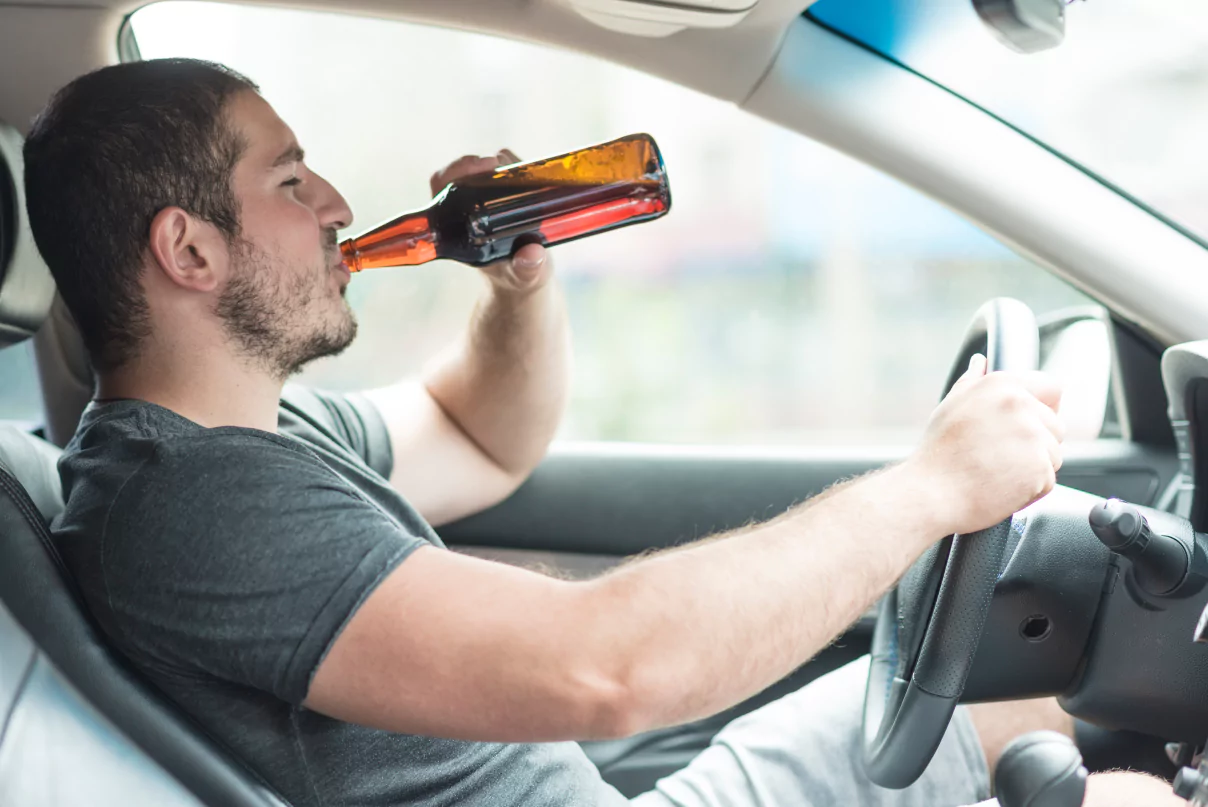
One of the most dangerous examples of irresponsible behavior is driving under the influence of alcohol. Some individuals, dealing with personal struggles or stress, may turn to alcohol as a way to cope. While that choice alone carries its own risks, combining it with driving creates a situation that can be deadly. Alcohol impairs judgment, slows reaction time, and reduces coordination, all of which are critical for safe driving.
The consequences of drunk driving can be devastating. One of the most tragic outcomes is the loss of life. Even if someone believes that a small amount of alcohol will not affect their ability to drive, that assumption can be dangerously wrong. A single mistake on the road can put not only the driver but also passengers, pedestrians, and other drivers at risk. In a moment, lives can be permanently altered or ended.
There is also the risk of harming oneself. While it may seem that some drunk drivers survive crashes, that is never guaranteed. Accidents can result in severe injuries, long-term disabilities, or death. No one can predict how a situation will unfold, and taking that risk is never worth it.
Beyond the physical dangers, there are legal consequences to consider. Driving under the influence can lead to significant fines, loss of driving privileges, and even jail time. While some cases may result in probation, penalties can vary widely depending on the severity of the offense and the circumstances involved. A single poor decision can have lasting effects on a person’s record, career, and future opportunities.
There is a moral dimension. Choosing to drive while impaired shows a disregard for the safety and well-being of others. Every driver shares the road with families, children, and individuals simply trying to get to their destinations safely. A careless decision, such as running a red light while intoxicated, can destroy lives in an instant. Understanding these risks makes it clear that driving under the influence is not just illegal, but fundamentally wrong.
Driving is both a valuable privilege and a serious responsibility. Respecting that responsibility means making choices that protect not only oneself but everyone else on the road.