

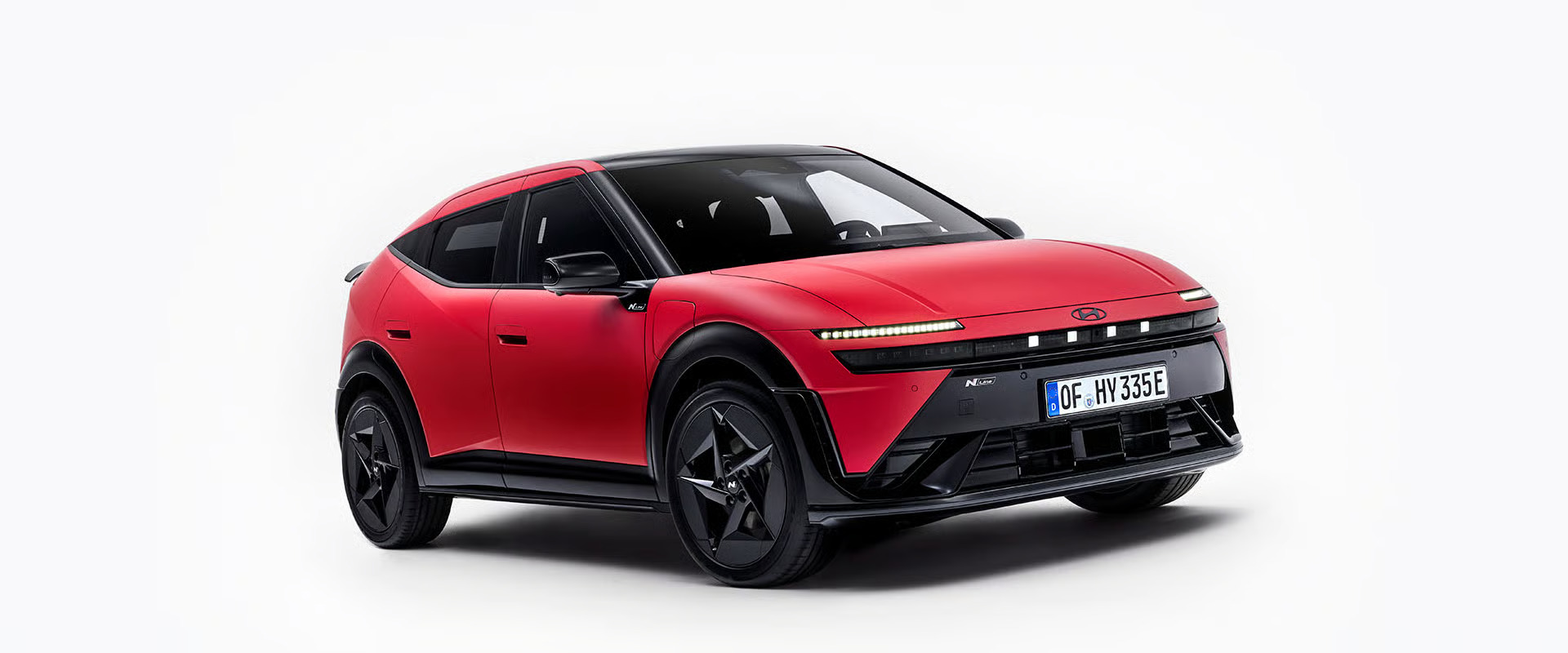
A major South Korean automaker’s release has been turning heads lately, with drivers and critics alike praising its fresh approach to design and practicality. The buzz surrounding this new model has been hard to ignore, but hype alone does not make a car worth buying. So, is it actually a smart purchase? That is exactly what this review sets out to explore.
The modern automotive market is more competitive than ever, with dozens upon dozens of brands all fighting for attention. From legacy manufacturers to newer electric-focused companies, buyers are faced with an overwhelming number of choices. Picking the right car can feel less like shopping and more like navigating a maze, especially when every brand promises innovation, efficiency, and value.
To cut through the noise, most buyers rely on a few key factors when making their decision. These are not just preferences; they are practical checkpoints that help determine whether a car is truly worth the investment.
First, there is brand reputation. A strong brand can heavily influence purchasing decisions, often more than people realize. Familiarity builds trust, and seeing friends, family members, or colleagues driving a particular model can make it feel like a safer, more reliable choice. Established automakers benefit from years of proven performance, while newer models have to work harder to earn that same confidence.
Then comes pricing. No matter how impressive a car may be, its price tag has to align with what buyers are willing and able to spend. Even the most advanced features will not matter if the cost feels out of reach. On the other hand, a well-priced vehicle that offers strong value can quickly become a standout option in a crowded segment.
Durability is another major consideration. Buyers want reassurance that their car will last, both mechanically and structurally. A vehicle known for reliability and low maintenance costs will always have an edge over one with a reputation for frequent breakdowns or expensive repairs. In many ways, durability is not just about longevity; it is about peace of mind.
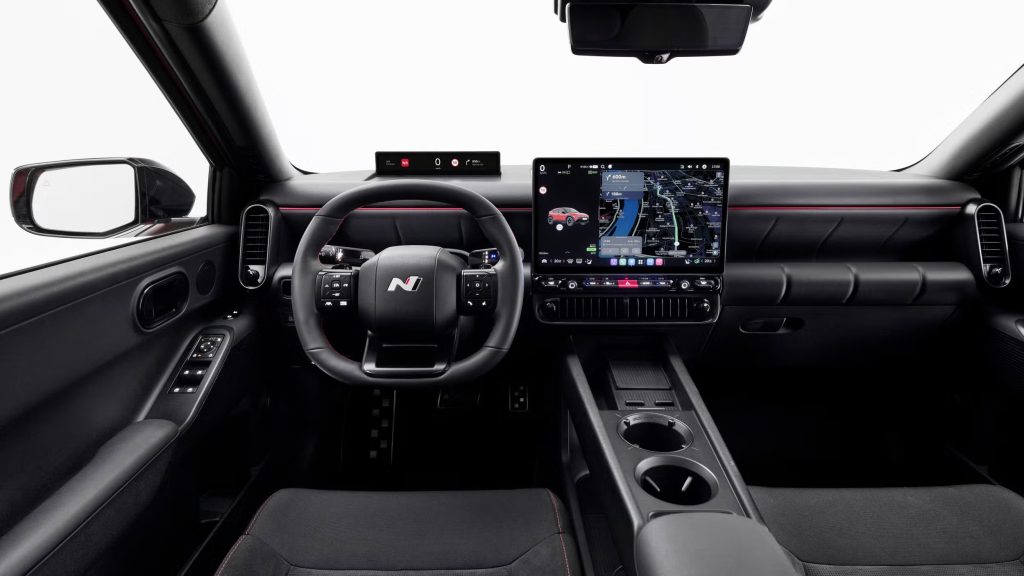
With those criteria in mind, let us take a closer look at what makes the Hyundai Ioniq 3 hatchback stand out.
One of its most talked-about features is the innovative “Aero Hatch” design, which strikes a careful balance between aerodynamic efficiency and interior spaciousness. With a projected drag coefficient of just 0.263, it aims to lead its class in efficiency, an important factor for electric vehicles where every bit of range matters.
Visually, the car embraces Hyundai’s “Art of Steel” design philosophy, resulting in clean, sculpted surfaces that feel both modern and purposeful. Signature pixel lighting adds a futuristic touch, while subtle details such as four central dots inspired by the letter “H” in Morse code give the vehicle a unique identity without overcomplicating the design.
Under the surface, the car is built on Hyundai’s dedicated electric vehicle platform designed for efficiency and versatility. Its 400-volt system supports smooth performance and practical daily use, whether you are commuting to work or heading out on longer drives.
Range is always a critical factor for electric vehicles, and here the Ioniq 3 offers two battery options. The standard version is expected to deliver around 344 km under WLTP testing, while the long-range variant targets an impressive 496 km, placing it among the leaders in its category. Charging is equally convenient, with fast DC charging capable of taking the battery from 10 to 80 percent in about 29 minutes, along with AC charging support of up to 22 kW.
Inside, the cabin is designed with comfort and usability in mind. Thanks to its flat floor layout, the interior feels open and spacious, offering what Hyundai calls a “furnished space” concept. It comfortably seats five adults, with enough room in the rear for three passengers without feeling cramped. Cargo space is another strong point, with 441 liters of luggage capacity, enhanced by a cleverly integrated storage compartment.
Technology also plays a central role. The infotainment system is built on a modern automotive operating system that provides a smooth and intuitive user experience, along with strong connectivity features. On the safety side, Hyundai includes a suite of advanced driver assistance systems such as highway driving assistance, remote smart parking, and blind spot monitoring.
When it comes to performance, the Ioniq 3 delivers a balanced driving experience. It accelerates from 0 to 62 mph in roughly 9.0 to 9.6 seconds. While it is not designed to compete with high-performance sports cars, it offers more than enough power for everyday driving, merging onto highways, and city commuting.
This vehicle appears to check many of the boxes that today’s buyers care about, including efficiency, practicality, comfort, and modern technology. It may not be the fastest car on the road, but it does not need to be. What it offers instead is a well-rounded package that feels thoughtfully engineered and tailored for real-world use.